
When I was a kid, we used to have our annual summer sleepover at my grandparents’ house in Sampaloc, Manila. My Lola Precy and Lola Emy would always buy us street food for meryenda. My favorite? The classic halo-halo—without the unnecessary addition of fancy ingredients.
More than just a refreshment, halo-halo is the ultimate Filipino dessert, combining various ingredients and flavors in one cup. For entrepreneurs, a halo-halo business is one of the most reliable ventures because the demand never truly cools down.
That’s why in this guide, we’ll help you build your own halo-halo business from the ingredients, equipment, and costing that you need to take note of.
The Classic Halo-Halo Ingredients
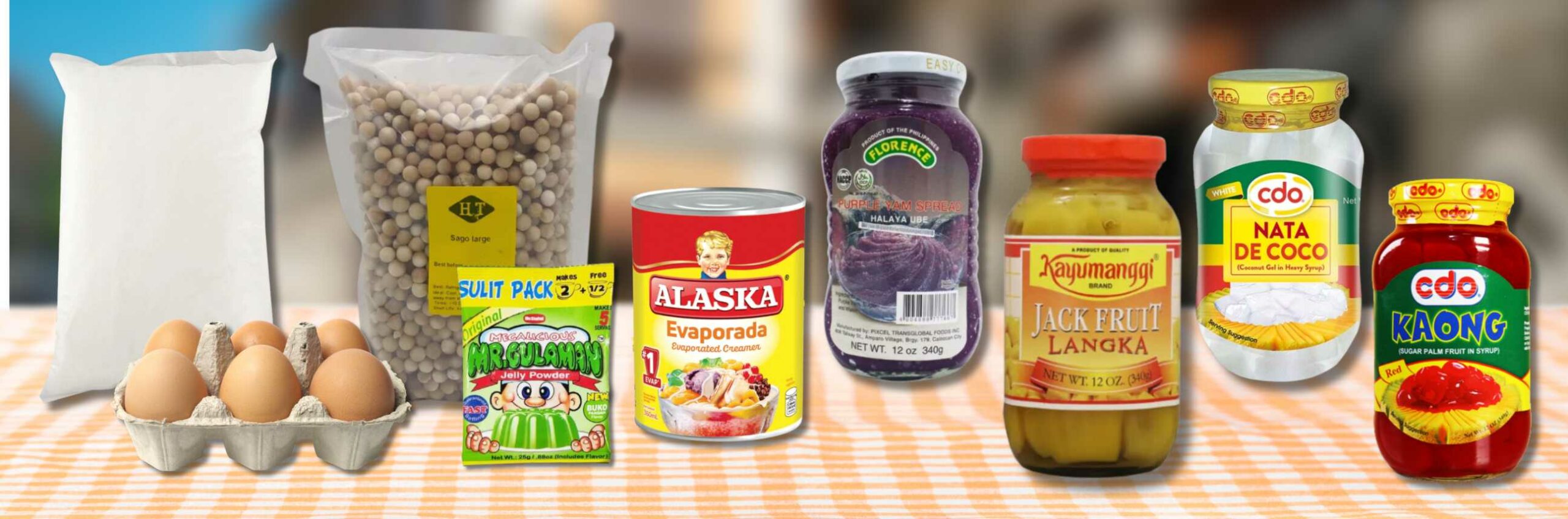
There isn’t a lot of cooking for halo-halo so the taste greatly lies in the quality of your ingredients. Here is a breakdown of the classic halo-halo ingredients you’ll need to have:
- Sago: You can buy raw or cooked ones in your local market.
- Nata de Coco: Chewy coconut gel cubes that come in many colors.
- Gulaman: Usually flavored with pandan or colored red and green.
- Minatamis na Saging: Sweetened saba bananas cooked in sugar.
- Kaong: Sugar palm fruit that gives extra texture.
- Langka: Sweetened jackfruit that can be prepared at home or bought in bottles.
- Evaporated Milk: The creamy liquid that ties everything together.
- Ube Halaya: The vibrant ube put on top.
- Leche Flan: A silky slice made from eggs that complements the ube.
- Granulated Sugar (Optional): Just in case you want that extra sweetness during assembly.
- Shaved Ice: Must be fine and smooth to easily combine all the ingredients together.
Essential Equipment for Halo-Halo Business
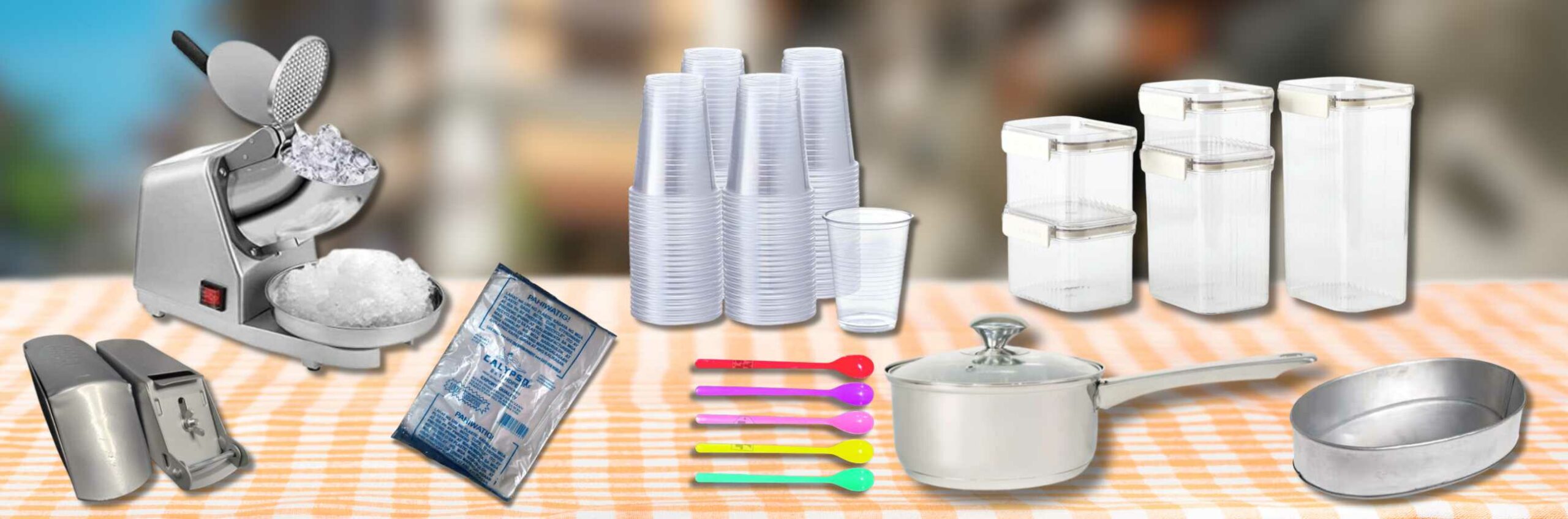
Scaling up from a home kitchen to a business requires the right tools to ensure consistency and efficiency in service and product:
- Manual Ice Shaver or Commercial Ice Crusher: The most important investment. Choose one that produces “snow-like” ice rather than crunchy chunks.
- Ice Bag: Used for making your own ice at home.
- Tall Glass or Plastic Cups: Essential for showcasing those beautiful layers.
- Long Spoons: So customers can easily reach all the layers of their dessert.
- Airtight Containers: To keep your halo-halo ingredients fresh and organized.
- Measuring Cups and Spoons: To maintain a consistent flavor profile for every serving.
- Lanera: If you’ll be making your own leche flans, you need a mold that can hold hot temperatures.
- Cooking Pot: Used for cooking your minatamis na saging or langka.
The Classic Halo-Halo Recipe
Assembling the actual halo-halo just takes 5 minutes. But if you want to make your ingredients from scratch, you’ll need to allot an hour or more for preparation the day before your store opens. Here’s my family’s easy halo-halo recipe (They’re Kapampangans! Trust me, they know their food):
1. Prep the Cooked Components
- Minatamis na Saging: Slice 10 saba bananas. In a pot, simmer 2 cups of water and 1 cup brown sugar until it thickens into a syrup. Add a few drops of vanilla extract based on your preference. Cook until tender and glazed.
- Langka: Follow the same process for the minatamis na saging. But for this fruit, use 5 cups of water and 3 cups of sugar. Cook until sugar caramelized.
- Gelatin: Dissolve unflavored gulaman powder in 4 cups of water. Add 1 cup sugar. You may add 2 cups of buko juice or drops of pandan essence for extra flavoring. Bring to a boil, pour into a tray, and let it set. Once firm, cut into small cubes.
- Leche Flan: Separate 10 egg yolks in a bowl. Combine it with 12 oz. evaporated milk, 1/2 teaspoon vanilla extract, and 1 tablespoon of dayap or calamansi juice. In your lanera, heat 1 tablespoon of granulated sugar until caramelized. Once done, put your mixture, cover in foil, steam until firm, then refrigerate.
2. Layering the Foundation
In a tall glass, add 1-2 tablespoons of each “bottom” ingredient: sago, nata de coco, gulaman, kaong, and your homemade minatamis na saging and langka.
3. The Ice and Milk
Fill the glass with finely shaved ice. Pack it slightly so it forms a pile on the top of the cup. Pour a generous amount of evaporated milk over the ice until it seeps down into the layers.
4. The Final Touches
Top the ice with a slice of leche flan and a spoonful of ube halaya (or a scoop of ube ice cream).
Costing Formula for Your Halo-Halo Business
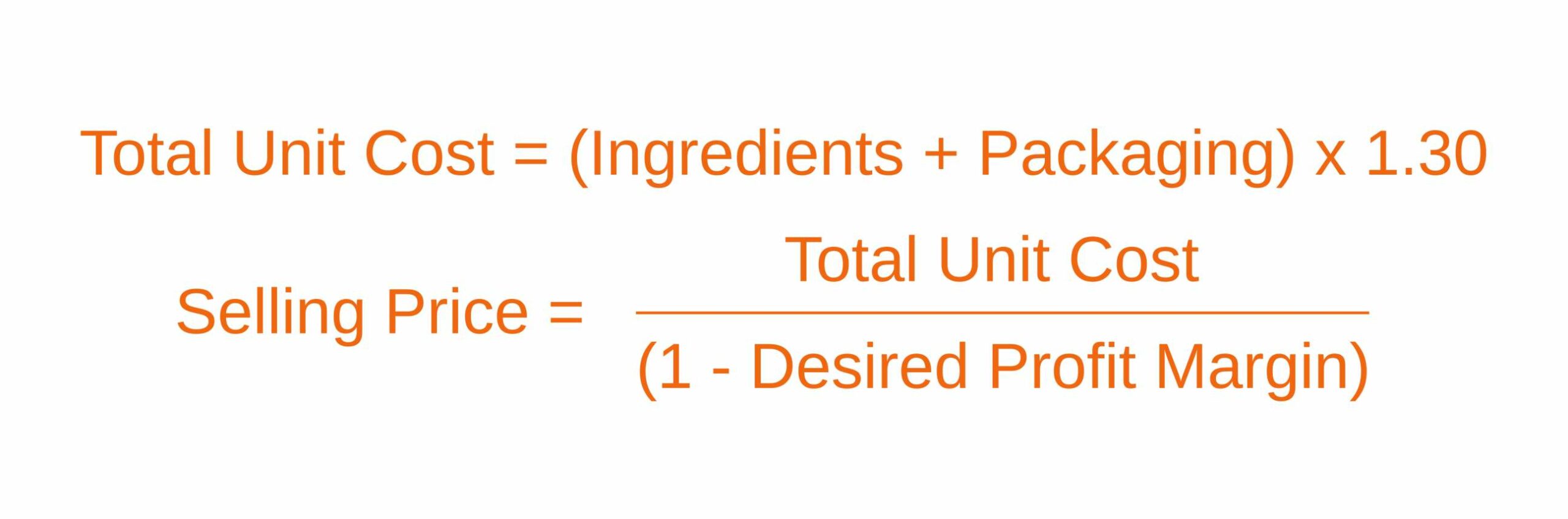
To stay profitable, you must price your product correctly. Use this simple formula to calculate your selling price. The 1.30 multiplier acts as a buffer to cover 30% for labor, electricity (for the fridge and ice shaver), and water. Let’s see an example for you to visualize:
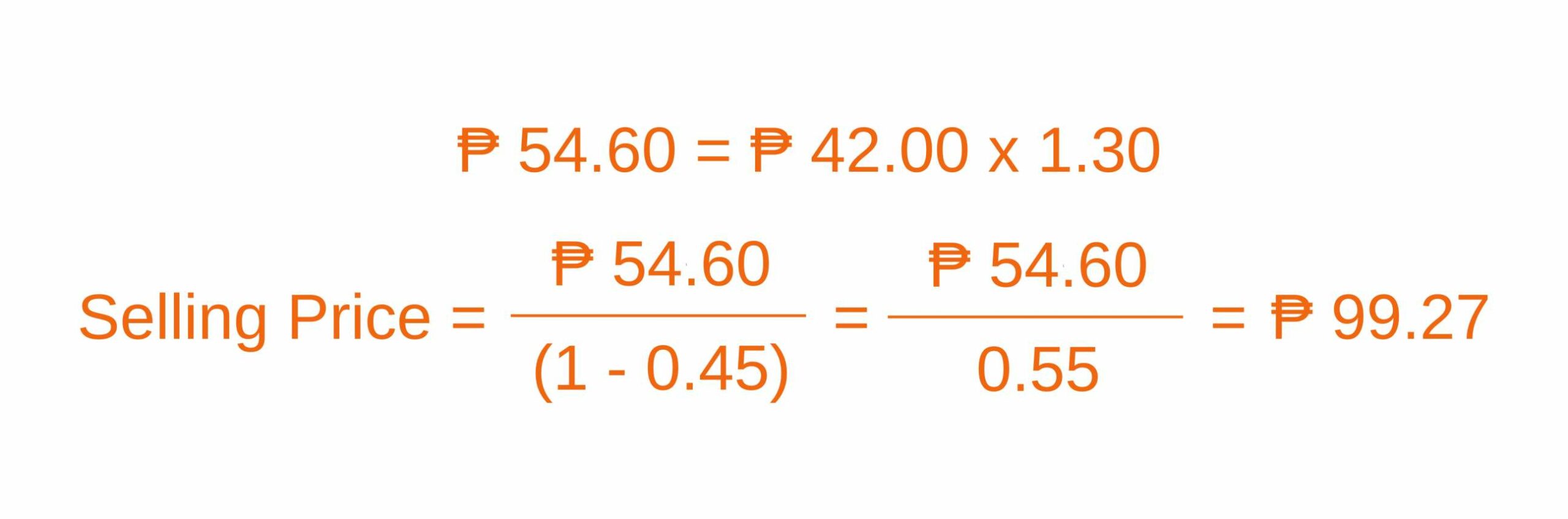
Suppose that you have similar ingredients and packaging cost, you will be earning around ₱40.00 per cup. It’s important to take note that the biggest variable is the cost of your halo-halo ingredients depending on the season. During summer, prices for fresh langka or saba bananas might fluctuate. Buying in bulk or direct from wholesalers will significantly lower your raw material cost. You may also increase your buffer (1.30) or desired margin (0.45) to increase profit.
Make Your Summer Profitable
Starting a halo-halo business is more than just a way to make money. It’s also a way to bring your community together through our love for food. Who knows? Your halo-halo could be the taste of someone’s future summer nostalgia.
#CheckShopeeFirst to start building your halo-halo business today and #ShopFromHome with deals, discounts, and free shipping! To level up your saving, try subscribing to Shopee VIP to stack up on discounts and enjoy Shopee Mall exclusive deals.