
Starting a new hobby like sewing can feel a little overwhelming when you’re not sure what you actually need. There are plenty of tools and supplies to choose from, but you don’t have to buy everything right away. From my experience, a few essentials are enough to get started, and you can build your sewing kit as you take on new projects and get more comfortable with the basics.
If you’re learning how to sew with a machine, here are the basic supplies I recommend having on hand for your first few projects.
Sewing Tools and Supplies for Beginners
Fabrics and Threads
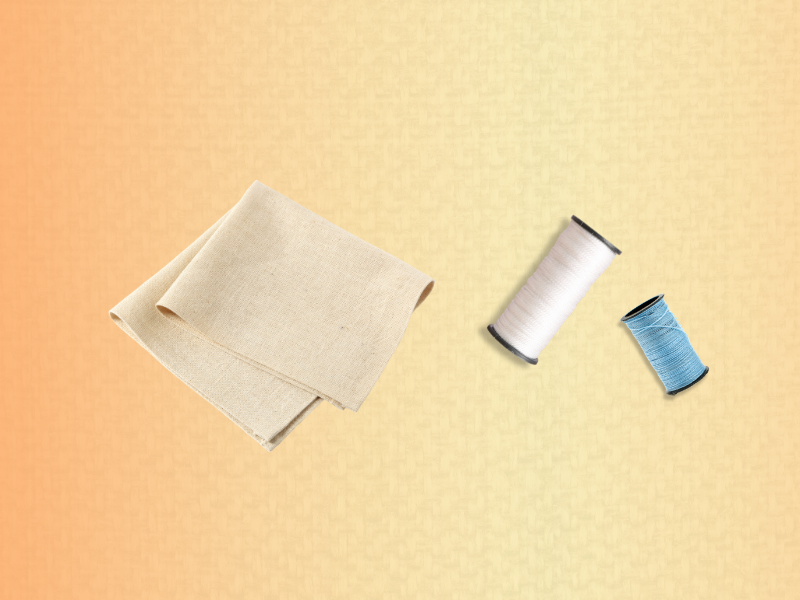
1. Fabric: Choosing the right fabric can make sewing much easier when you’re still learning. Avoid silk, satin, jersey, chiffon, and denim for your first projects, as they can be trickier to handle and may require different needles, machine settings, or sewing techniques.
Beginner-friendly fabrics: Cotton, linen, flannel, and light canvas are generally easier to work with.
- Thai Cotton Linen Summer Colors Fabric
- ORGANIC COTTON CLOTH-PER YARD
- PLAIN COTTON FABRIC Cotton100% Soft Washable Cotton Fabric
If you’re on a budget, old clothes, bedsheets, or other unwanted fabric at home can give you something to experiment with before you commit to buying yards of fabric for a bigger project.
2. Sewing Thread: All-purpose polyester thread is a reliable choice for general projects and everyday sewing. It’s strong, has some flexibility, and works well with many beginner-friendly fabrics and sewing machines.
I personally keep a stock of black and white thread on hand because I use them often. Rather than buying every color at once, I add to my collection as I take on new projects so I can match the thread to the fabric as closely as possible.
- 12pcs Spools Mixed Colors Polyester All Purpose Sewing Threads
- Gutermann Sew-all Thread Multipurpose Sewing Thread Polyester 100% (100m) Made In Germany
- 2pcs/1000m 402 Sewing Thread, All-Purpose White& Black Sewing Thread for, Polyester Thread for Sewing Machine, Hand Stitching, Quilting
Cutting Tools
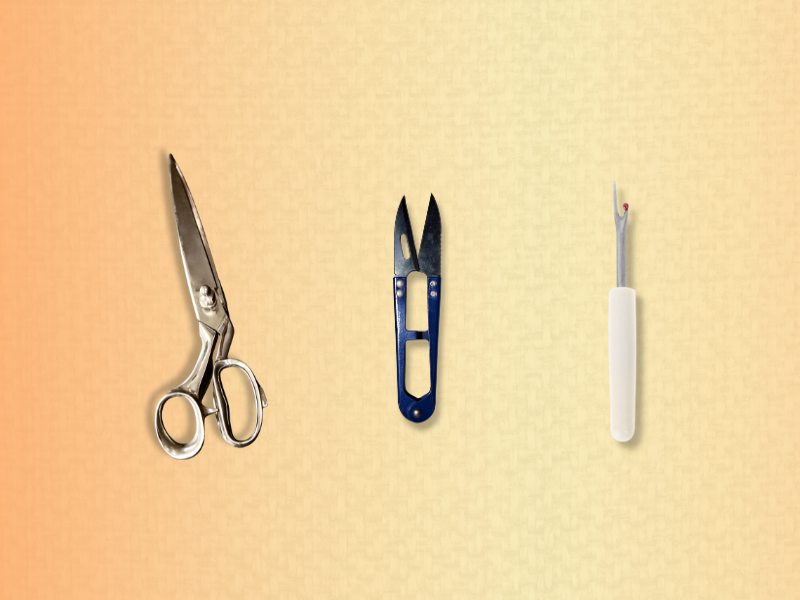
3. Fabric Scissors
A good pair of fabric scissors helps you cut fabric cleanly and accurately. With proper care, a quality pair can last for years. Keep them specifically for fabric and avoid using them on paper or other materials as this can dull the blades over time.
- Stainless Steel Vintage Tailor’s Scissors for Needlework
- Black Blade Tailor Scissors Shears SHARP Size 8 9 10 11 inches
- HIGH QUALITY Gold Handle Fabric Scissors (Per Piece)
4. Thread Snips
Thread snips are small scissors designed for quick, precise cuts while you sew. They’re useful for trimming loose threads, cutting thread after stitching, and handling small details like notches, elastic, and trims.
- 3PCS Trimming Sewing Scissors U-Shape Yarn Stainless Steel Craft Tailor Portable Cutter
- High Quality Hem Trimmer Thread Cutter Sewing Scissors Metal Gunting
- 1Pc Stainless Steel Sewing Scissors with Cover, Thread Cutter and Seam Ripper Multi Tool
5. Seam ripper
A seam ripper lets you remove stitches when you need to fix a mistake or redo part of a project. The sharp tip cuts through stitches while the rounded tip helps protect the fabric. It’s one of the tools I reach for most often while sewing.
- Seam Ripper with Cover Per Piece Tailoring Supply Tool Pantastas
- Thread Seam Ripper 2-in-1 Needle Threader & Seam Remover Sewing Ripper Household Sewing Accessories
- Seam Ripper Stitch Ripper
Measuring & Marking
6. Measuring Tape
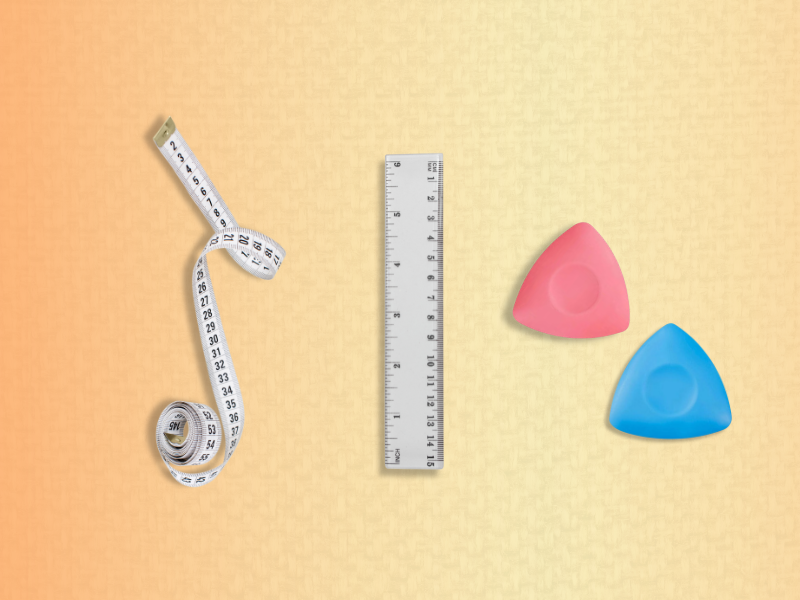
A measuring tape is useful for taking body measurements, checking fabric dimensions, and following sewing patterns. Its flexibility also makes it easier to measure fabric and materials that aren’t completely flat.
- High Quality German Tailor Measuring Tape with Buttons – Dual-Sided, Clear Markings, Compact 1.8*150CM
- 1pc 1.5m Dual-Scale Tape Measure for Tailoring and Sewing in Assorted Colors
- 1.5M Retractable Accurate Tape Measure/ Portable Press Automatic Contraction Measuring Ruler
7. Clear Sewing Ruler
For straight and precise measurements on flat fabric, a clear ruler makes it easier to mark lines, check seam allowances, and measure hems. Make sure to buy a clear ruler so you can see the measurements and other markings on your fabric.
- Multi-function Grading Ruler for Making Clothes Tailor Sewing Craft Tool Plastic
- [LHG] Sewing Tailor Accessories 60cm Shared Double Side Metric Straight Ruler new
- [Maxivogue] Grading Ruler 18″ 45cm 8th 16ths Clear Quilting Ruler Graph Sewing Ruler for Pattern Making Fashion Design Tailoring Tool
8. Fabric Marking Tools
Fabric marking tools help you transfer measurements and guides onto your fabric. Water-soluble fabric markers and tailor’s chalk are some options to consider.
Test your marking tool on a scrap of the same fabric first to check that the marks come off properly before using it on your actual project.
- Angel Chalk / Prym Tailor’s Chalk for Marker Sewing Machines
- [ UNO ] Standard Tailoring Pencil ( Buy 11 get 1 free ) Dermatograph – Sewing / Garments Accessories
- [cal]Heat Erasable Fabric Marker for Sewing Quilting Embroidery Disappearing Fabric Chalk Marking Pen Washable Marker with Replaceable Refills for Cotton Knitted Fabric
Stitching
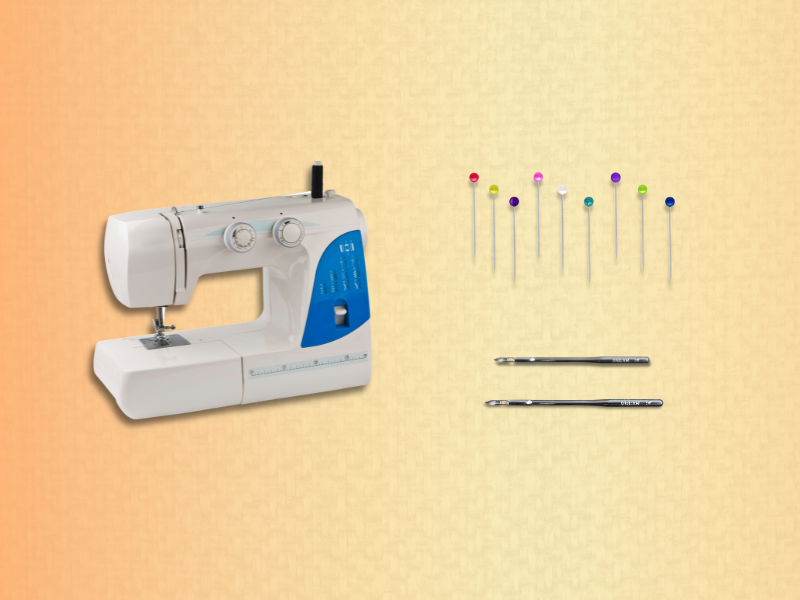
Sewing Machine
A sewing machine makes it easier to work on clothes, bags, and other larger sewing projects. If you’re just starting out, you don’t need to invest in an expensive or advanced model right away.
I started with a budget-friendly machine when I was learning. It gave me a chance to get comfortable with the basics without spending too much upfront. Keep in mind that cheaper machines can have fewer features and may not be as reliable. In my experience, they can also struggle with heavier fabrics.
Once I had more experience and a bigger budget, I upgraded to a more reliable machine with additional features from brands like Brother and Singer.
- 【ALL FLYING】Mini Electric 202 Sewing Machine 2-Speed Portable Sewing Machine Kit With Foot
- 【24H Ship】Portable Sewing Machine Mini 12 Stitches Sewing Electric Household Machine Multifunction
- 【ALL FLYING】Portable Sewing Machine Mini Electric Household 12 Stitches Sewing Machine Multifunction
Sewing Needles
Your sewing machine needs the right needle for the fabric you’re working with. As a beginner, a universal needle is a good place to start since it works well with many common fabrics.
You may need different needles as you try stretch or heavier materials. For now, start with a universal needle and replace it if it becomes bent, damaged, or dull.
- 10pcs Universal Sewing Machine Needles – Household & Portable (75/11 to 110/18)
- ALISONDZ Regular Sewing Needles Steel Sewing Accessories Sewing Machine Needles Universal Tailor Supplies 4 Sizes Flat Silver Color 10pcs Embroidery Tool
- Universal HA x 1 Sewing Machine Needles 10pcs/Pack – Size 11 or 14 | For Portable & Pajak Machine
Sewing Pins and Clips
Sewing pins hold fabric pieces together before you stitch them, helping you keep layers aligned as you sew.
Keep your pins in a pin cushion so they stay together and are easy to grab while you work. If you’d rather not use pins, sewing clips are another option. They hold fabric layers together without piercing the fabric and don’t require a pin cushion.
- 100PCS Pin Gold-Plated Pearl Scarf Box Colorful Pearl Head Pins Sewing Pins With Head Round
- TS 480 Pcs Sewing Pearl Pins
- 50PCS Sewing Clips Colorful Clips Multipurpose Plastic Craft Crocheting Knitting Holder DIY Patchwor
Frequently Asked Questions (FAQs)
What supplies do I need for a sewing machine?
Most sewing machines come with a basic guide or manual, along with a few starter supplies such as bobbins and needles. Beyond these, you’ll need fabric, all-purpose thread, fabric scissors, measuring and marking tools, and pins or sewing clips. A seam ripper and thread snips are also useful additions to your kit.
How to start sewing as a beginner?
Start by getting familiar with your sewing machine. Learn how to thread it, wind the bobbin, and sew a basic straight stitch. You can usually find instructions for these in the machine’s user manual. Practice on scrap fabric before moving on to a simple project. This gives you a chance to get comfortable with the machine before working on something you want to keep.
What is the first thing a beginner should sew?
Start with a simple project that uses mostly straight lines and doesn’t require complicated techniques. A tote bag, pillowcase, or simple fabric pouch can be a good first project. You can also search online for beginner-friendly sewing patterns and video tutorials that walk you through each step.
Can I learn to sew by myself?
Yes. I’m self-taught and learned by practicing on my own and using online tutorials and other learning materials. You can do the same without taking formal classes. Start with simple projects and follow beginner-friendly videos or guides as you learn. The more you practice, the more comfortable you’ll become with your machine and different sewing techniques.
Build Your Sewing Kit as You Go
You don’t need to have a complete sewing kit before starting your first project. Begin with the basics and add new tools or supplies as you need them. As you gain experience, you’ll have a better idea of which fabrics, thread colors, and tools make sense for the projects you enjoy making.
Ready to start sewing? Browse Shopee for the best deals on sewing machines, fabrics, and other supplies to build your beginner sewing kit and start creating your own projects.